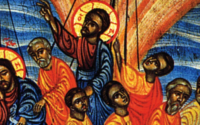
Second Sunday of Lent Scripture Readings Out of the whole liturgical year of following Jesus through his words and deeds, Lent stops all that and invites us to focus on identity: the identity of our Father God as God shows himself to us in the person of Jesus. It’s an encounter with the God of our lack of understanding, manifesting his presence and his power—what we identify as his glory—not only through the person of Jesus, but through the presence of witnesses—Peter, James, and John—not so that we would learn about it, but that we, like them, would experience it. Our God is not one to be studied or understood… he is a God to be experienced. You can study the psychological, mental, physical, and emotional aspects of love for a lifetime and yet never know love until you experience it. So, it is with our God. The weeks leading up to the beginning of Lent—Jesus’s acceptance of his role as Messiah in his baptism, his explanation of what it means to be his follower in the Sermon on the Mount, and the rejection of all that is contrary to his identity as the Messiah—namely the false idols of wealth, power, and prestige—have all led us here with Peter, James, and John—to witness the new manifestation of God—the new burning bush—on the mountain. It’s here that we encounter the seemingly impossible: not God appearing to humankind, but God appearing through humankind. God’s glory isn’t an external visitation, but an interior shining through. The Greek word Matthew uses to describe what the disciples witnessed in Jesus is metamorphosis—a transformation, not just a transfiguration. What the disciples experienced was the very nature itself of Immanuel, that is, God-with-us. Why? Why did the disciples experience Jesus’s transfiguration? It’s the next logical step in our progression to becoming transparent to the Spirit of God that we’ve been given. It’s more than an experience; it’s a promise that’s been ours from the beginning, playing out since human time began. It’s the utter rejection of humanity’s obsession with believing in God. God doesn’t need or want us to believe in him. Even those who hate God believe in him; otherwise, what’s there to hate? Mere belief does none of us any good. Jesus says in the gospels, “What’s needed is trust.” [Mark 5:36; Luke 8:50] Abram didn’t believe in God. He was told to get up and go. Where? Don’t you worry about that. You’ll find out. So, Abram listened, got up, and went. The reason the disciples were invited to experience the glory of God manifest in Jesus was the exact same pledge and promise: “Go.” “Where?” “You’ll find out.” As Abram trusted and set out on a journey whose goal was a mystery, so, too, the disciples were led down the mountain, into Jerusalem, where they would encounter suffering and death. When they got there, all that stood between them and utter despair was their encounter with God and their trust in him. Like Peter, we all want to stay frozen in moments of consolation. Everything in us resists heading out into the mess that life presents. Yet all that matters is that we trust God, and that trust comes from our encounters with God. Abram heard the call. How? We’re not told, but it was a personal encounter. Peter, James, and John were given a first-hand glimpse of Jesus’ deeper identity, not knowing that one day they—and we—would share that identity. We are graced with the same glimpse of the Father’s glory, hidden behind flesh and blood in time and space, through our conscious contact with the living, loving Unknown. And what all of this is telling us is so simple: that our trust is not misplaced, our experience of God and God’s love isn’t a pipe dream, and that, despite all the evidence to the contrary, there is a promised land after the journey, there is a resurrection after the suffering and death, there is a tomorrow after the nation and the world have collapsed around our ears. So, there are two lessons from today’s Scripture readings. In our encounter with God, we learn all we need to know about his identity: that God’s glory, his shekinah, is manifest in our world and in one another if we are but open to see it, and that God’s love and promise are trustworthy. If we take the divine command on the mountain, ἀκούετε αὐτοῦ (akouete auto), “Listen to him” seriously, we, like Abraham, can hear the Word of the Lord with trust, even though we go forward without seeing the way. As we look at the political chaos surrounding us and the global conflict threatening us, the unknown facing Abram in Canaan and the devastation awaiting the disciples in Jerusalem feel familiar. The transfiguration gives us the courage to pray: “Lord, let your mercy be on us as we place our trust in you.” Readings & Homily Video Get articles from H. Les Brown delivered to your email inbox